

 العربية
  Deutsch
  Español
  Français
  हिन्दी
  Italiano
  日本語
日本語  Melayu
  Polski
  Português
  Română
  Русский
  اُردو
اُردو  中文
中文 
Why You Should Never Use Bleach to Clean a Toilet: A Professional Cleaner’s Perspective
After more than four decades in the professional cleaning industry, I’ve seen a lot of mistakes—some minor, others downright dangerous. One of the most persistent myths I encounter is that bleach is the best way to clean a toilet. Let me set the record straight: bleach is not only unnecessary for regular toilet cleaning, but it can also be harmful to your health, your plumbing, and even the environment.
Despite its popularity and wide use in households, bleach is one of the most misused cleaning agents when it comes to toilets. In this article, I’ll explain why you should stop using bleach to clean your toilet and what to use instead. If you care about your health, your bathroom fixtures, and cleaning effectively, read on.
What Is Bleach, Really?
Bleach is a strong chemical made primarily from sodium hypochlorite. It’s known for its whitening and disinfecting properties and is often seen as a cure-all for household cleaning woes. But while it might kill germs, it’s far from ideal for toilet maintenance.
1. Bleach Damages Plumbing and Toilet Parts
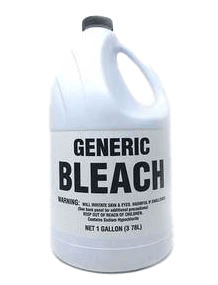 Most modern toilets are made of ceramic and have plastic and rubber components in the flushing mechanism. Bleach is highly corrosive and can break down these components over time.
Rubber Seals and Gaskets: Exposure to bleach can degrade rubber seals in the toilet tank, leading to leaks and water waste.
Pipes and Fittings: Bleach can eat away at metal parts, especially if left to sit or if used regularly. This includes pipe fittings, bolts, and metal washers.
Over time, repeated bleach use can significantly shorten the life of your toilet’s internal hardware. It might seem like you’re doing a deep clean, but in reality, you’re accelerating wear and tear.
2. It’s a Health Hazard
Bleach is dangerous when inhaled or when it comes into contact with skin or eyes. The fumes alone can irritate the lungs, especially in small, poorly ventilated spaces like bathrooms.
Respiratory Issues: Inhaling bleach fumes can aggravate asthma and other respiratory conditions.
Skin & Eye Irritation: Bleach can cause burns or rashes if it splashes on your skin.
Toxic When Mixed: Bleach reacts with common cleaning agents like vinegar or ammonia to produce toxic gases, including chlorine gas, which can be fatal in high concentrations.
No amount of “clean” is worth risking your health.
3. Bleach Doesn’t Clean—It Just Whitens
This is the myth that trips most people up. Bleach doesn’t remove dirt or grime. It masks the problem by whitening surfaces and killing bacteria.
Doesn’t Cut Through Buildup**: Bleach won’t remove calcium, lime scale, or mineral deposits.
No Deodorizing Properties**: It may temporarily mask odors, but it doesn’t remove the source.
Think of bleach as a cosmetic fix—it makes things look clean but doesn’t actually do the deep work.
4. Environmental Concerns
Bleach that gets flushed down your toilet doesn’t just disappear—it ends up in wastewater systems and, eventually, the environment.
Harm to Aquatic Life: Chlorine compounds in bleach can be toxic to fish and other aquatic organisms.
Chemical Residues: Wastewater treatment plants can’t always filter out bleach by-products, which means they can end up in rivers and oceans.
There are eco-friendly toilet cleaners that disinfect and deodorize without damaging the planet.
5. There Are Better Alternatives
You don’t need bleach to have a sparkling clean toilet. In fact, I’ve cleaned thousands of toilets without ever relying on bleach. Here’s what I recommend instead:
1. Vinegar & Baking Soda
This natural combo is powerful, safe, and effective. Vinegar disinfects and breaks down mineral buildup, while baking soda deodorizes and gently scrubs.
2. Commercial Enzyme Cleaners
These break down organic waste naturally and are safe for plumbing and septic systems.
3. Castile Soap and Essential Oils
Mild and non-toxic, this combo leaves your toilet smelling fresh and sparkling clean.
4. Pumice Stone for Stains
A pumice stone can safely scrub away hard water rings without damaging porcelain.
How to Properly Clean a Toilet (Without Bleach)
1. Apply White Vinegar Under the Rim
Let it sit for 10 minutes to break down grime and kill bacteria.
2. Sprinkle Baking Soda Into the Bowl
Use about a quarter cup. The reaction with vinegar helps lift stains.
3. Scrub with a Toilet Brush
Focus on under the rim, the waterline, and deep into the bowl.
4. Disinfect the Exterior
Use a vinegar-based cleaner or a non-toxic disinfectant on the seat, handle, and base.
5. Flush and Rinse
Flush to rinse away the mixture. Spray your brush with a disinfectant and let it air dry.
Common Myths Debunked
Bleach is the only thing that kills germs. False. Vinegar, hydrogen peroxide, and other agents are effective disinfectants.
Bleach gets rid of stains. Not really. It lightens them but doesn’t actually remove buildup.
Everyone uses bleach—it must be safe. Popular doesn’t mean smart. Smoking was once common, too.
Final Thoughts from the Field
Using bleach in your toilet is like using a sledgehammer to crack a nut—it's overkill, and it does more harm than good. In my professional cleaning experience, the best results come from using the right tools and products, not the harshest ones.
Take a step toward safer, more effective toilet cleaning. Your health, your plumbing, and the planet will thank you.
Share Post
0 Comments