

 العربية
  Deutsch
  Español
  Français
  हिन्दी
  Italiano
  日本語
日本語  Melayu
  Polski
  Português
  Română
  Русский
  اُردو
اُردو  中文
中文 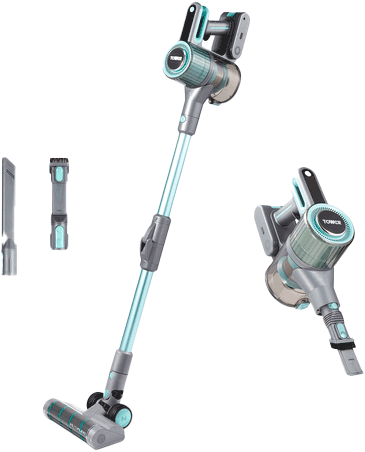
The Correct Way to Vacuum: A Professional's Guide to Clean Floors
As someone who has spent years helping people tackle common cleaning problems, I can tell you firsthand that most of us are vacuuming wrong. Vacuuming seems simple enough, but there's actually a correct way to do it if you want truly clean floors, healthier air quality, and longer-lasting carpets. In this comprehensive guide, I’ll walk you through best practices, common mistakes, and tips from my experience that will change the way you approach this everyday task.
Why Proper Vacuuming Matters
Before we dive into technique, let’s talk about why this even matters. Vacuuming isn't just about picking up visible dirt. It's about removing the dust, allergens, and debris that build up deep in the fibers of your carpet or settle on your hard flooring. When you vacuum properly:
- Your carpets and floors last longer
- Your indoor air quality improves
- Your home looks and smells cleaner
- You reduce the presence of allergens, pet dander, and dust mites
Over the years, I've seen people invest in expensive vacuums only to use them ineffectively. The result? Dirty floors and wasted time.
Step-by-Step: The Correct Way to Vacuum
1. Start with the Right Vacuum
Not all vacuums are created equal. Choose one that suits your floor type:
- Carpets: Look for strong suction and a rotating brush (beater bar).
- Hard floors: Use a vacuum with soft brush rollers or a dedicated hard floor attachment.
- Pet owners: Prioritize vacuums with HEPA filters and strong suction.
A good vacuum will make your job easier and more effective. Clean or replace your filter regularly to keep it working optimally.
2. Declutter the Area
Before you vacuum, pick up items like toys, cords, and small objects. This prevents clogs and protects both the vacuum and the item.
3. Dust First, Vacuum Second
Dust settles. If you dust after vacuuming, some of that dust lands on your clean floors. Always start with dusting surfaces, shelves, and baseboards, then vacuum up what falls.
4. Use the Correct Vacuum Height Setting
Most vacuums have height settings. Set it too low, and the vacuum won’t glide properly; too high, and it won’t pick up dirt effectively. Adjust the height according to your carpet or floor type.
5. Vacuum in Slow, Overlapping Strokes
One of the most common mistakes I see is vacuuming too quickly. A slow pass allows suction to do its job. For thorough cleaning:
- Go slowly forward, then pull back slightly overlapping the same area.
- Overlap each pass by about 30%.
- Make two to three passes on high-traffic areas.
6. Change Directions
To really lift embedded dirt, vacuum in different directions. This agitates the fibers more thoroughly and gets particles hiding in different angles.
7. Don't Forget the Edges and Corners
Use your vacuum's crevice tool to get into corners and along baseboards. These areas collect dust that a regular vacuum head misses.
8. Use Attachments
Vacuums often come with a variety of attachments. Use them!
- Upholstery tool:** Great for couches, chairs, and mattresses.
- Dusting brush:** Ideal for vents, blinds, and shelves.
- Crevice tool:** Perfect for tight spaces, edges, and under appliances.
9. Vacuum Regularly
Set a schedule and stick to it:
- High-traffic areas: 2-3 times per week
- Bedrooms and low-traffic spaces: Once a week
- Pet areas: Daily, if possible
10. Maintain Your Vacuum
Clean your vacuum regularly to keep it working well:
- Empty the canister or change bags when about two-thirds full.
- Clean the brush roll of hair and threads.
- Replace or wash filters as instructed by the manufacturer.
Common Mistakes to Avoid
- Vacuuming too fast
- Not adjusting the height setting
- Ignoring the filter
- Letting the bag/canister overfill
- Skipping areas because they're out of reach
- Not vacuuming often enough
Extra Tips from the Pros
- Use baking soda to freshen carpets before vacuuming. Sprinkle, let sit 10-15 minutes, then vacuum.
- Vacuum under furniture at least once a month.
- Consider a robotic vacuum for daily maintenance, but don’t rely on it entirely.
- Listen to your vacuum. A change in sound often means a clog or a full canister.
Wrap-Up: Make Vacuuming Work for You
Vacuuming correctly isn’t rocket science, but it does require a little technique and consistency. As someone who's dealt with everything from deeply embedded pet hair to neglected hardwood floors, I promise these tips make a noticeable difference. When done right, vacuuming is more efficient, more effective, and even a bit satisfying.
Invest in your space by treating vacuuming like the essential maintenance task it is. Your floors, your lungs, and your peace of mind will thank you.
Share Post
0 Comments